What should you ask your debt expert?
Not every conversation about debt relief is equally useful. The right questions, asked upfront, reveal quickly whether you're speaking with someone offering an honest, tailored assessment, or someone working from a script designed to get you to sign something. Here are the specific questions worth asking, and what a genuinely good answer actually sounds like.

Mohit Juneja
Reviewed by FREED India, Debt Resolution Specialists
 4.7/5
4.7/5 ₹3,200Cr+
 20,000+
 20,00,000+4.7/5₹3,200Cr+20,000+20,00,000+
Key Takeaways

The specific questions you ask a debt expert reveal, often faster than their initial pitch, whether they are genuinely assessing your situation or pushing a predetermined product regardless of fit.
Good questions to ask cover your actual total debt, which specific program fits you, the exact cost and timing of fees, credit score impact, written documentation, their track record, and what happens if your situation changes
A genuinely trustworthy expert answers each of these directly and specifically, with real numbers and clear processes, rather than vague reassurance, deflection, or pressure to decide immediately.
A specific, telling question, "what would you recommend if I weren't a client," reveals whether the advisor's incentive is aligned with your actual best interest or with closing a sale.
Asking these questions costs nothing and takes only a few extra minutes in a free consultation, and FREED specifically welcomes and expects this kind of direct, informed questioning from anyone considering our programs.
Why the Right Questions Matter More Than the Right Answers
Anyone offering debt relief services can present a confident, reassuring pitch. What actually distinguishes a genuine, professional assessment from a generic sales conversation is not how polished the opening pitch sounds, it's how specifically and honestly the advisor answers direct, pointed questions once you start asking them.
This is precisely why the questions in this blog matter more than any single answer, they are designed to reveal, quickly and reliably, whether the person on the other end of the conversation is genuinely assessing your specific situation, or working from a script intended to move you toward a decision regardless of whether it actually fits.

Ready to ask these exact questions in a free, no-pressure consultation?
Talk to a FREED Expert for free.
Connect with FREED ExpertQuestion 1: "What Is My Actual Total Debt, and Is My Understanding of It Accurate?"
A genuine expert will ask you detailed questions about every account you hold, credit cards, personal loans, BNPL commitments, and help you calculate an accurate, complete total, rather than accepting a rough estimate or moving quickly past this step toward a specific program recommendation.
A good answer sounds like a series of specific, detailed questions back to you, what is the outstanding balance on each account, what is each interest rate, how overdue is any specific account, rather than a quick, generic acknowledgement that you "have some debt" before pivoting immediately to a pitch.
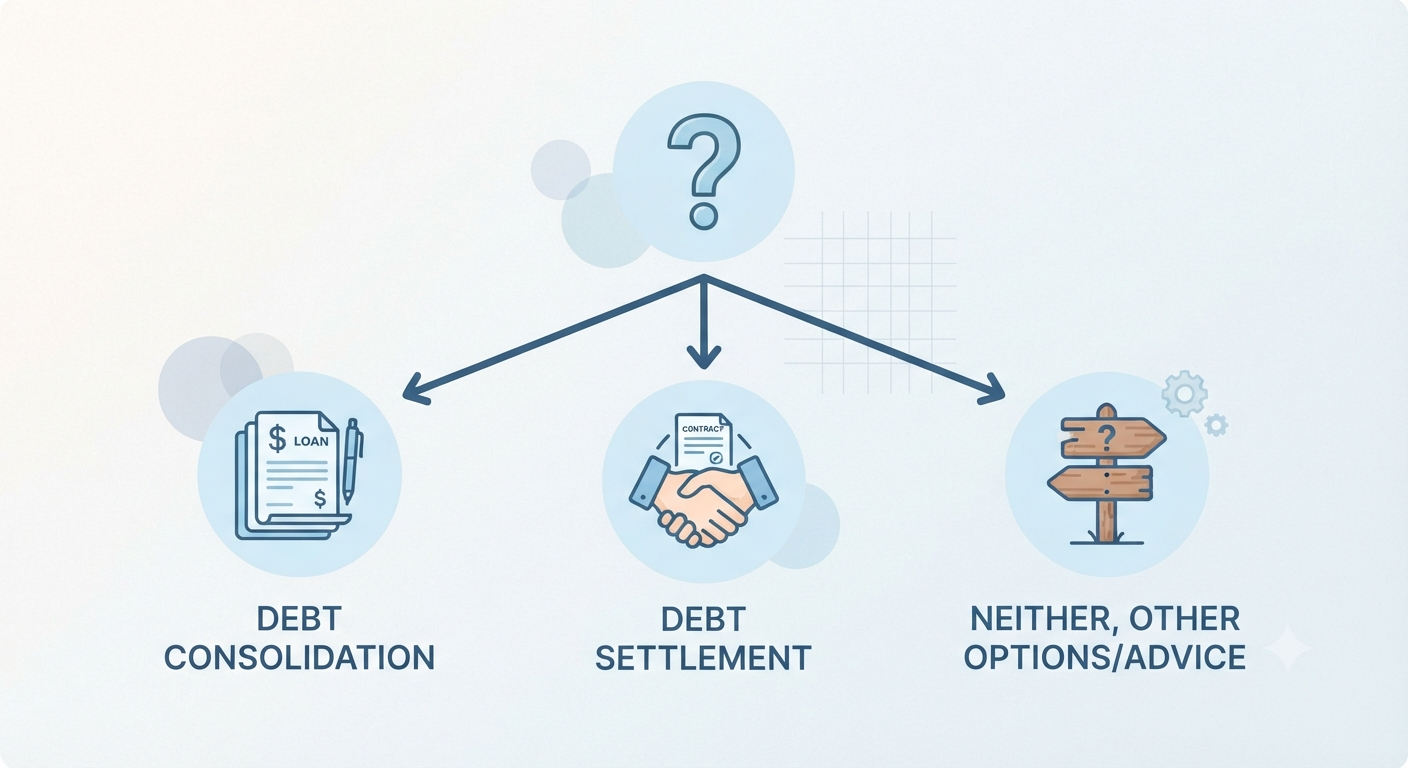
Question 2: "Am I a Better Fit for Consolidation, Settlement, or Neither?"
This question directly tests whether the expert is assessing fit or defaulting to a single product. A genuine answer explains the distinction clearly, consolidation generally suits people who can afford full repayment but want a lower rate and simpler structure, settlement suits people who genuinely cannot repay the full amount, and explicitly acknowledges that neither may be the right fit if your situation doesn't match either profile.
Be specifically wary of an answer that immediately recommends one option without first asking enough about your income, existing obligations, and the specific reason behind your current debt to justify that recommendation.
Question 3: "What Exactly Will This Cost Me, and When Do I Pay It?"
A trustworthy expert answers this with specific numbers, or a clear, specific process for arriving at them, and confirms this in writing before you commit to anything. There should be no hesitation or vagueness about fee structure, and no requirement to pay anything before you fully understand and agree to the terms.
A poor answer sounds like "we'll figure that out once we get started" or a fee explanation that shifts or becomes more complicated the more specifically you ask about it, both of which are worth treating as significant warning signs.
Question 4: "How Will This Affect My Credit Score, Specifically?"
A genuine expert explains this honestly and specifically, a settlement will typically show as "Settled" rather than "Closed" on your credit report, causing a real, temporary score impact, generally recovering over 12 to 24 months of consistent behaviour afterward, while consolidation, done well, tends to have a more neutral to positive longer-term effect.
Be cautious of any answer suggesting a settlement will have "no real impact" on your score, since this is not accurate, and a good expert will not minimise this genuine, if temporary, consequence simply to make a program sound more appealing.
Question 5: "Will I Get Everything in Writing Before I Pay Anything?"
This is one of the most important questions to ask directly, and the answer should be an unambiguous yes, specifically that any settlement or consolidation agreement will be documented in writing, on the lender's or program's official letterhead, before any payment is requested or made.
A hesitant, qualified, or evasive answer to this specific question is one of the clearest, most reliable signals that you may be dealing with an informal or predatory operator rather than a genuine, accountable service, since this written documentation is a basic, non-negotiable protection any legitimate process should offer without resistance.
Want to see exactly what a written agreement from FREED actually looks like?
Talk to a FREED Expert for free.
Talk to a FREED ExpertQuestion 6: "How Many Cases Like Mine Have You Actually Handled?"
A genuine expert answers this specifically and confidently, referencing real, verifiable figures, total cases handled, average settlement percentages achieved, rather than a vague, generic reassurance about experience or reputation without any actual numbers attached.
A good answer might sound like, "we've helped over 10,000 clients, with an average settlement of 56% less than the original outstanding," a specific, checkable claim, rather than something closer to "we've helped a lot of people over the years," which offers nothing you could actually verify.
Question 7: "What Happens If My Situation Changes Partway Through?"
A genuinely experienced expert will have a clear, specific answer here, since this happens often in real cases, a job loss, an unexpected expense delaying a settlement payment, and describes how the plan can be adjusted, a revised timeline, a renegotiated deadline, rather than suggesting the plan is rigid and cannot accommodate genuine, unexpected life circumstances.
This question is particularly useful for revealing whether the expert has genuine, practical experience managing real cases over time, versus only handling the initial sign-up conversation.
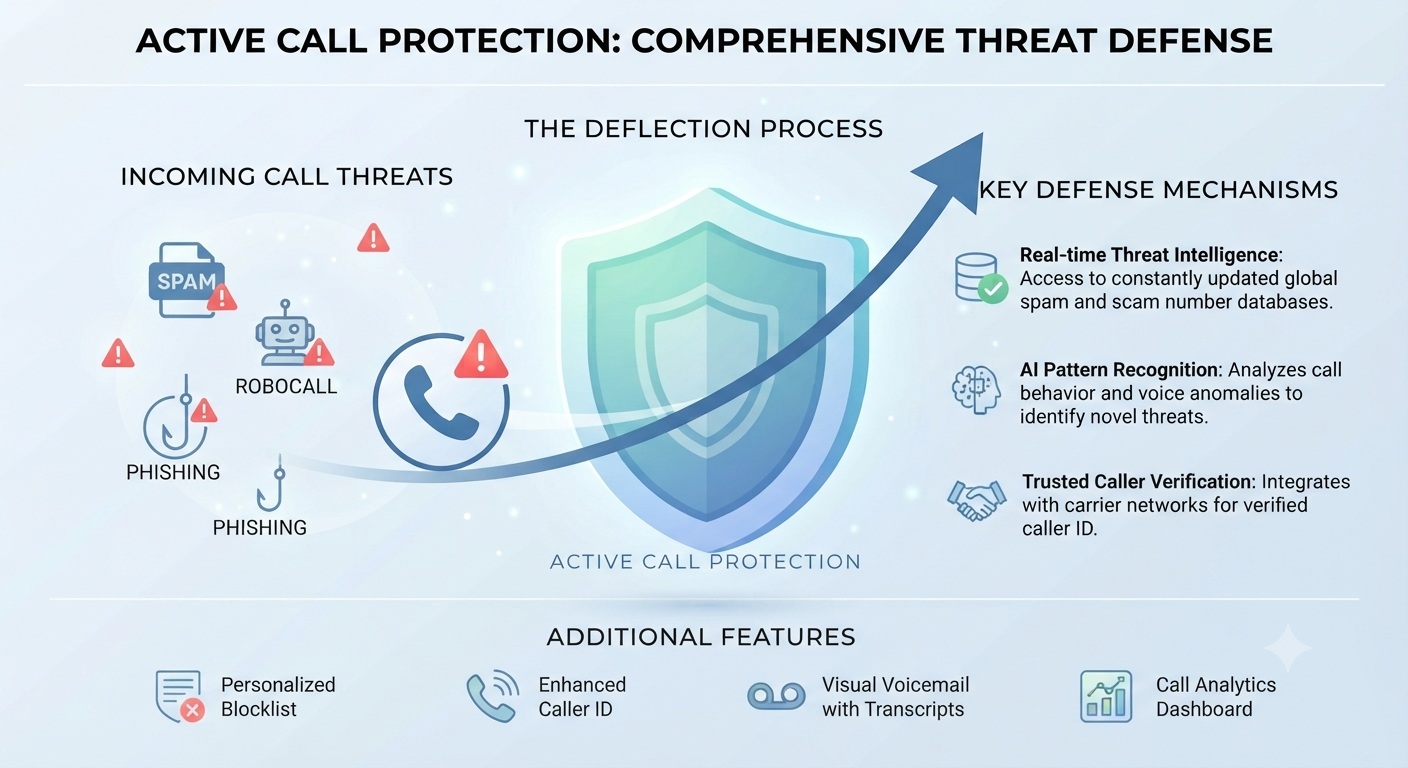
Question 8: "What Protection Do I Have If a Lender Contacts Me Improperly?"
A good answer describes a specific, active mechanism, not simply a general assurance that "we'll handle it if it happens." This might include a description of how violations of RBI's Fair Practices Code, calls outside permitted hours, abusive language, are identified and escalated, and what the client should do if this occurs.
Vague reassurance without any specific, describable process is a meaningful gap, since genuine protection from harassment requires an actual mechanism, not just a promise that a problem "won't happen" or "will be dealt with" without further detail.
Question 9: "What Happens After the Debt Is Settled or Consolidated?"
A thorough answer covers the specific final steps, collecting a written No Dues Certificate after a settlement, confirming the account status update with credit bureaus, and may also touch on guidance for rebuilding credit or maintaining healthier habits going forward, rather than treating the final payment as the end of the relationship with no further follow-through.
This question reveals whether the service treats a case as genuinely complete only once full, verifiable closure is confirmed, or considers its job done the moment a payment has technically been made.
Question 10: "What Would You Genuinely Recommend If I Were Not a Client?"
This is perhaps the single most revealing question you can ask, since it directly probes whether the person's incentive is aligned with your actual best interest or with closing a specific sale. A genuine, certified counsellor should be willing to answer honestly, including acknowledging if a different path entirely, direct negotiation with your existing lender, for instance, might genuinely serve you better in some specific circumstances.
An answer that reflexively defends the specific program being discussed, without any genuine acknowledgement that alternatives exist or might sometimes be more appropriate, is worth noting carefully.
Red Flags in How These Questions Get Answered
Beyond the content of any single answer, watch for specific patterns across the conversation as a whole, pressure to decide immediately without time to consider the answers you've received, vague or shifting numbers each time you ask for specifics, reluctance to put anything in writing before payment, and a general unwillingness to acknowledge any limitation or downside to the program being recommended.
Any one of these patterns, on its own, may have an innocent explanation. Several appearing together across a single conversation is a considerably stronger signal worth taking seriously.

What the Law Says
Under RBI's Fair Practices Code, any entity involved in debt settlement or restructuring negotiations is required to ensure agreements are documented in writing and that fee structures are disclosed clearly before any commitment. Asking Questions 3 and 5 directly is, in effect, asking a debt expert to confirm they are meeting this specific regulatory requirement, and a legitimate service should have no hesitation confirming this clearly and specifically.
Get FREEDA Simple Checklist for Your First Conversation
Before or during your first consultation with any debt expert, it's worth having these ten questions ready, in whatever order feels natural to the conversation, and noting specifically whether each answer felt direct and specific, or vague and evasive. This simple exercise, taking only a few extra minutes, gives you a genuinely useful, structured way to evaluate whether you're receiving honest, tailored guidance, or a script designed to move you toward a decision regardless of fit.
Want to start by understanding your own numbers before your first conversation?
Take the FREED Financial Health Score, free, 2 minutes.
Check My Financial Health Score
Mohit Juneja
Mohit Juneja writes educational content at FREED on debt management, credit scores, loan repayment, and borrowing best practices. His content is shaped by expert insights and industry knowledge, helping readers better understand their financial options and make informed decisions.
mohit.juneja@freed.care

FREED is India's trusted loan management platform. Founded in 2020 and headquartered in Gurugram, FREED has counselled 20 lakh+ people on personal loans, credit cards, and app loans. FREED charges fees only on successful settlement, not upfront. FREED does not handle secured loans (home loans, car loans, gold loans).
Media Mentions