What are your rights as a debtor?
Owing money is a financial situation. It is not a legal status that removes your basic protections. Indian law, specifically RBI's Fair Practices Code and related regulations, gives every debtor a specific set of enforceable rights, regardless of how much is owed or how overdue an account has become. Here is what those rights actually are.

Mohit Juneja
Reviewed by FREED India, Debt Resolution Specialists
 4.7/5
4.7/5 ₹3,200Cr+
 20,000+
 20,00,000+4.7/5₹3,200Cr+20,000+20,00,000+
Key Takeaways

Being in debt, even significantly overdue debt, does not remove your legal protections. RBI's Fair Practices Code and related regulations give every debtor specific, enforceable rights around how they can be contacted and treated.
These rights include protection from harassment and abusive language, restrictions on calling hours, a prohibition on contacting family or employers about the debt, and a requirement that any settlement be documented in writing before payment.
Recovery agents cannot seize assets without following due legal process, and no lender can misrepresent the outstanding amount or use illegal intimidation tactics regardless of how overdue an account is.
If these rights are violated, a formal complaint to the lender, followed by escalation to the RBI Banking Ombudsman, is a free, accessible, and enforceable path, no lawyer is required.
Knowing your rights protects you during the process of resolving debt, but it does not resolve the debt itself, and FREED can help address the underlying debt directly while ensuring these rights are respected throughout.
Why Debtors Still Have Rights, Even in Default
A common, understandable misconception is that once an account becomes significantly overdue, or reaches formal default status, the borrower has effectively forfeited any protection and is at the mercy of whatever a lender or recovery agent chooses to do.
This is not accurate. RBI's Fair Practices Code, along with broader consumer protection and contract law, applies specifically and continuously throughout the entire debt relationship, including default and recovery, not only while an account is in good standing. A lender's legitimate right to recover money owed exists alongside, not instead of, a borrower's right to be treated fairly and lawfully throughout that process. Understanding this distinction, the debt is real, but so are your rights during its resolution, is the foundation for everything that follows.

Experiencing harassment or unsure of your rights during debt recovery?
Talk to a FREED Expert for free.
Connect with FREED ExpertRight 1: Fair, Non-Abusive Treatment From Lenders and Recovery Agents
Under RBI's Fair Practices Code, lenders and any recovery agents acting on their behalf are required to treat borrowers with courtesy and fairness at every stage of the recovery process, regardless of how overdue the account has become.
This specifically prohibits abusive language, threats, intimidation, or any form of verbal aggression during collection calls or visits. A recovery agent raising their voice, using threatening language, or making explicit or implied threats of harm is in direct violation of this requirement, and this violation is a formal, reportable breach, not simply an unpleasant but acceptable part of the recovery process.
Right 2: Contact Only Within Permitted Hours
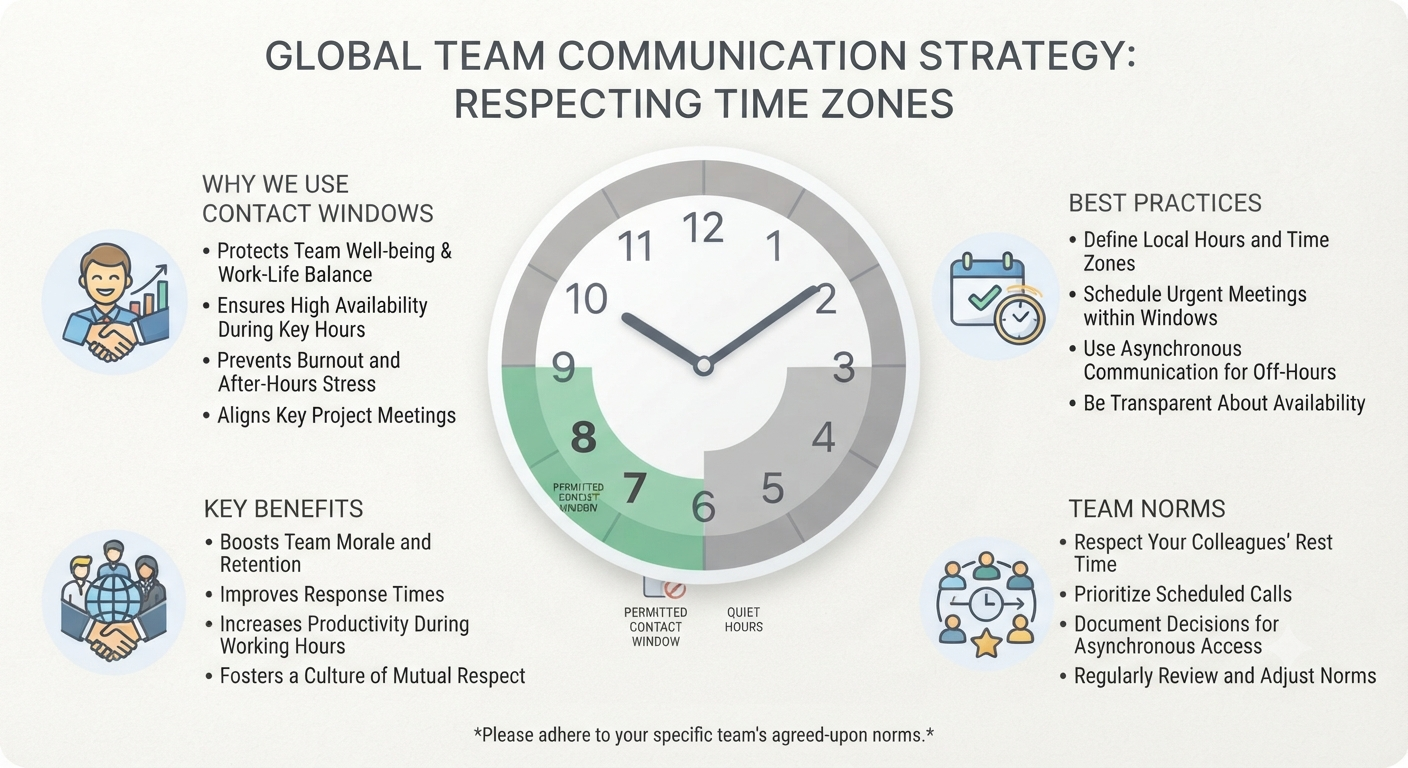
Recovery calls and visits are restricted to specific hours, generally between 8 AM and 7 PM, and lenders and recovery agents are required to respect this window regardless of how the account is being handled internally.
Repeated calls outside these hours, particularly late at night or very early morning, constitute a specific, identifiable violation of this right, and are worth noting with the date and time each occurrence happens, since this specific detail becomes important evidence if a formal complaint is later filed.
Right 3: No Harassment of Family, Friends, or Employers
A specific and significant right is protection from a recovery process that extends beyond the actual borrower to contact family members, friends, neighbours, or an employer about the debt, particularly in a manner intended to embarrass or pressure the borrower through third parties.
Lenders and recovery agents may, in some circumstances, contact a listed guarantor or co-applicant directly involved in the loan, but contacting unrelated family members, friends, or an employer specifically to disclose debt details or apply social pressure is not a legitimate recovery practice, and constitutes a clear violation worth reporting formally.
Right 4: Written Communication and Documentation of Any Settlement
Any settlement, restructuring, or repayment arrangement discussed with a lender must be documented in writing, on the lender's official letterhead, before any payment is made or considered final. A verbal agreement, however clearly communicated over a phone call, carries no legal standing.
This right protects specifically against a common and costly mistake, paying an agreed settlement amount based only on a verbal assurance, only to find the lender's records do not reflect the agreement as understood, leaving the borrower with no recourse. Insisting on this written documentation before any payment is not simply good practice, it is a specific right that any legitimate lender is required to honour.
Right 5: The Right to Know the Full, Accurate Outstanding Amount
Borrowers have the right to request and receive an accurate, itemised breakdown of the full outstanding amount, principal, accrued interest, and any specific fees or penalties, rather than being asked to pay an amount without a clear, verifiable basis for that figure.
This right matters specifically because outstanding amounts can occasionally include incorrectly applied charges, or fail to reflect a payment that was actually made, and a borrower is entitled to request and review this breakdown directly rather than accepting a total figure without explanation.
Not sure if the amount you are being asked to pay is actually accurate?
Talk to a FREED Expert for free.
Talk to a FREED ExpertRight 6: The Right to Dispute Errors on Your Credit Report
Every borrower has the right to formally dispute any inaccurate entry on their credit report directly with the relevant credit bureau, CIBIL, Experian, Equifax, or CRIF High Mark, and the bureau is required to investigate and correct any verified inaccuracy within a defined timeframe, generally 30 days.
This right is specifically valuable when an account status has not been updated correctly, an account showing as overdue despite being settled, or an incorrect late payment mark, since these errors can silently affect future credit applications if left unaddressed.
Right 7: Protection From Illegal Recovery Tactics
Recovery agents are prohibited from using illegal tactics of any kind, entering a home or workplace without permission, seizing personal property without due legal process, publicly shaming a borrower, or displaying photographs or personal details in an attempt to pressure repayment.
Any of these specific actions constitute not just a violation of RBI's Fair Practices Code, but potentially a separate, independent legal violation under Indian law, and are worth reporting both to the lender directly and, where relevant, to local police authorities, alongside the formal escalation path described further below.
Right 8: Due Legal Process Before Any Asset Is Seized
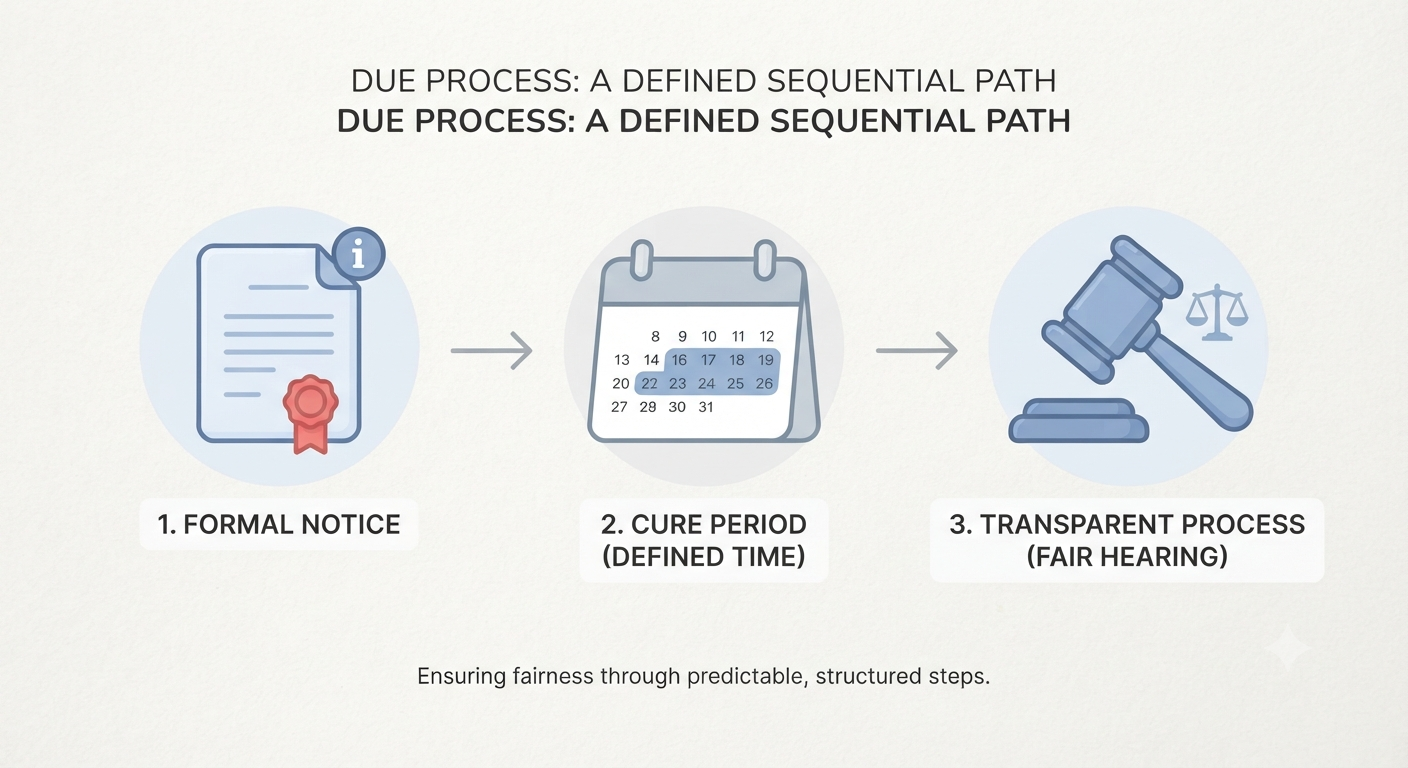
For secured loans specifically, a home loan, a vehicle loan, a loan against property, any seizure of the pledged asset must follow a defined legal process, formal notice, a specified cure period during which the borrower can resolve the default, and, where applicable, a fair, transparent auction process, rather than an arbitrary or immediate seizure.
A recovery agent or lender attempting to seize a secured asset without following this due process, without proper notice, without the legally required cure period, is acting outside their legal authority, and this specific right protects borrowers from an accelerated or improperly conducted recovery process even on a genuinely defaulted secured loan.
Right 9: The Right to a Formal Grievance Redressal Process
Every regulated lender in India is required to maintain a formal, defined grievance redressal mechanism, a specific process through which a borrower can raise a complaint about treatment, an incorrect charge, or a disputed settlement, and receive a response within a defined timeframe.
Borrowers have the right to submit a complaint through this formal channel, in writing, and to expect a substantive response, not simply a generic acknowledgement, within the timeframe the lender's own policy specifies, generally around 30 days for most categories of complaint.
Right 10: The Right to Escalate to the RBI Banking Ombudsman
If a formal complaint to a lender is not resolved satisfactorily within 30 days, or the response received is inadequate, borrowers have the right to escalate the matter directly to the RBI Banking Ombudsman at cms.rbi.org.in, a free, accessible process that does not require legal representation.
This escalation right is a genuinely powerful, enforceable protection, since the Banking Ombudsman has the authority to investigate and direct specific remedial action, and exercising this right when a legitimate grievance has gone unresolved is precisely what this formal mechanism exists for.
What These Rights Do Not Mean
It is worth being direct about what these rights do not provide. They do not erase a genuine debt obligation, a lender retains the legitimate right to pursue repayment through lawful means. They do not prevent a lender from reporting a genuine default to credit bureaus, which is a standard, legitimate practice, not a rights violation. And they do not provide indefinite protection from legal action, a lender can and often will pursue formal legal recovery for a genuinely unresolved debt, provided that process itself follows due legal procedure.
These rights protect the manner in which debt is recovered, not whether it needs to be repaid at all, and understanding this distinction prevents these genuine protections from being misunderstood as a way to avoid a legitimate obligation entirely.

What the Law Says
Under RBI's Fair Practices Code, all banks and NBFCs, along with any recovery agents acting on their behalf, are legally required to follow these specific standards around communication hours, conduct, documentation, and grievance redressal. These are not voluntary best practices, they are regulatory requirements, and non-compliance is a formal, actionable violation that can be escalated through the Banking Ombudsman process described above.
Settle My LoansHow to Actually Exercise These Rights if They Are Violated
If a specific right is violated, a call outside permitted hours, an abusive tone, contact with an unrelated family member, keep a specific, dated record of the incident, the date, time, what was said, and by whom, since this documentation becomes the basis for a formal complaint.
Submit a written complaint directly to the lender through their formal grievance redressal channel, referencing the specific incident and the specific right violated. If the response within 30 days is inadequate or absent, escalate formally to the RBI Banking Ombudsman at cms.rbi.org.in, providing the same documented details as part of the escalation.
Experienced a specific violation and unsure how to file a formal complaint?
Talk to a FREED Expert for free.
Talk to a FREED ExpertWhen Knowing Your Rights Is Not Enough on Its Own
Understanding and exercising these rights genuinely protects you during the process of resolving debt, ensuring fair treatment, accurate information, and a lawful recovery process throughout. What these rights do not do, on their own, is resolve the underlying debt itself.
For many people, the combination of fair treatment and a disciplined, prioritised repayment plan is sufficient to work through an existing debt situation over time. For others, particularly where the outstanding amount has grown large or is spread across multiple accounts, professional support in negotiating a resolution, while these same rights remain fully protected throughout, becomes considerably more effective than navigating both the rights and the negotiation independently.
FREED's Debt Resolution Program negotiates directly with lenders on your behalf, securing written settlement agreements before any payment, and ensuring your rights around fair treatment and documentation are respected at every stage of that negotiation.
FREED's Debt Consolidation Program combines multiple debts into one lower interest loan with a single, manageable EMI, for situations where full repayment, rather than settlement, is the more appropriate path.
FREED Shield specifically monitors for and actively escalates violations of the rights described throughout this blog, from the moment a client enrols, rather than requiring you to identify and escalate each violation independently.
A free consultation can assess your specific situation and confirm both your current rights and the most effective path towards resolving the underlying debt itself.
Are You in a Loan Trap? Quick Check
Move the slider to your total EMIs as a % of monthly salary. See your debt stress level instantly.
EMIs as % of Monthly Salary

Mohit Juneja
Mohit Juneja writes educational content at FREED on debt management, credit scores, loan repayment, and borrowing best practices. His content is shaped by expert insights and industry knowledge, helping readers better understand their financial options and make informed decisions.
mohit.juneja@freed.care

FREED is India's trusted loan management platform. Founded in 2020 and headquartered in Gurugram, FREED has counselled 20 lakh+ people on personal loans, credit cards, and app loans. FREED charges fees only on successful settlement, not upfront. FREED does not handle secured loans (home loans, car loans, gold loans).
Media Mentions