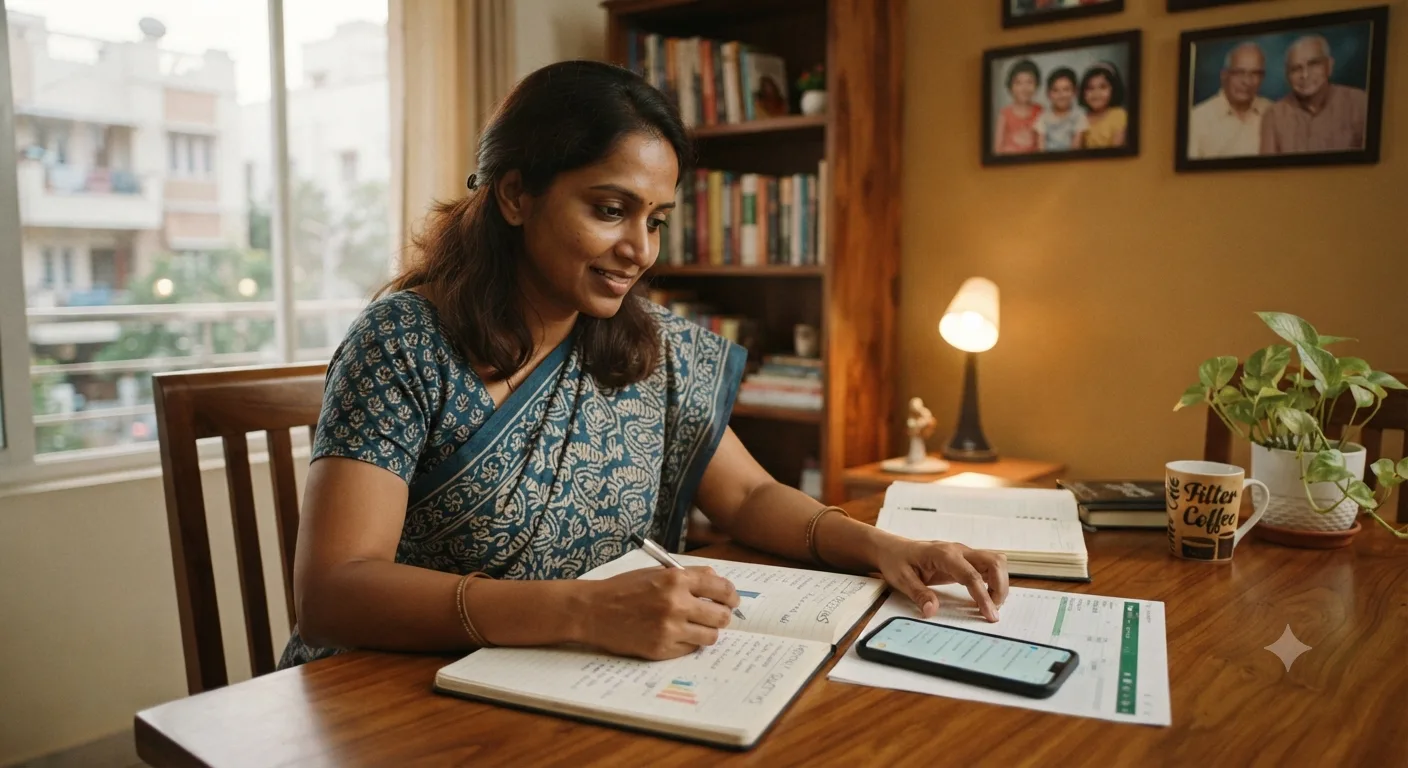
Is It Possible to Try DIY Debt Relief?
Yes, in the right situations. DIY debt relief works when the numbers allow it. Here is exactly when it does, what it involves, and when professional help produces meaningfully better outcomes.
Mohit Juneja
Reviewed by FREED India, Debt Resolution Specialists
 4.7/5
4.7/5 ₹3,200Cr+
 20,000+
 20,00,000+4.7/5₹3,200Cr+20,000+20,00,000+
Key Takeaways

DIY debt relief is genuinely effective when the total debt is manageable relative to income, accounts are current or recently delinquent, and a structured repayment plan can produce visible progress within 12 to 24 months.
Three DIY approaches work in the right conditions: structured repayment (snowball or avalanche), direct lender negotiation for restructuring or settlement, and balance transfer or personal loan consolidation.
DIY debt relief becomes insufficient when FOIR exceeds 55%, total outstanding genuinely exceeds what income can repay over any realistic timeline, accounts are significantly in default, or when self-directed approaches have been tried and have not produced progress.
Professional help through FREED produces better outcomes in specific situations: where knowledge of realistic settlement percentages, documentation of hardship, and negotiation experience make a material difference to the result.
This article is honest about both: where DIY works, and where it does not.
What DIY Debt Relief Actually Means
DIY (Do It Yourself) debt relief means addressing a debt problem through your own actions, without engaging a professional debt relief platform.
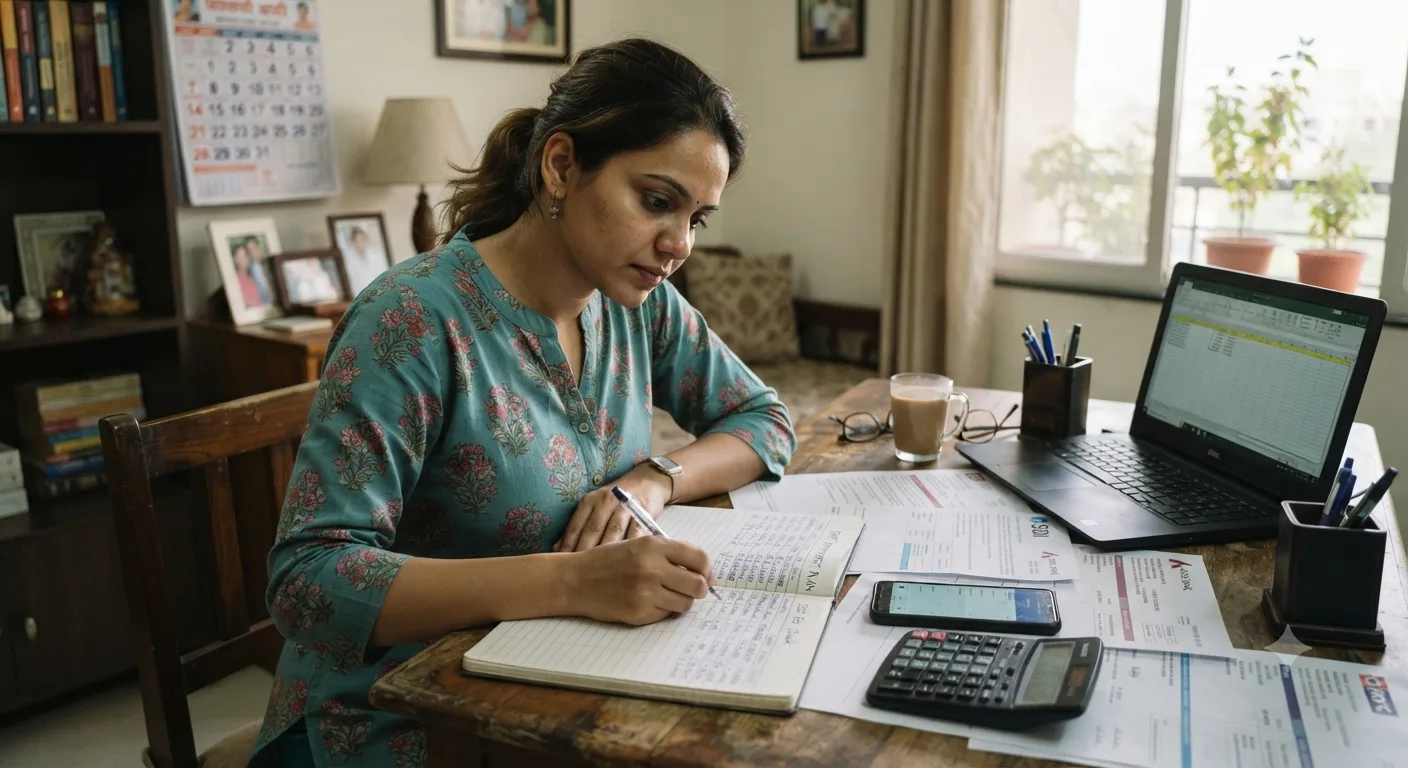
This includes: building and following a structured repayment plan, contacting lenders directly to request restructuring or settlement, using balance transfers or personal loans to consolidate high-interest debt, and managing the entire process of documentation, negotiation, and follow-through independently.
DIY debt relief is not a lesser option. For people whose situation fits its requirements, it is often the best option: no programme fees, full control, and a clean resolution without the "Settled" remark that professional settlement may involve.
The question is not whether DIY is generally better or worse than professional help. The question is whether your specific situation is one where DIY can produce the outcome you need within a realistic timeline. This article answers that honestly.

Not sure if DIY is right for your situation?
Talk to a FREED Expert, It's Free. Get an honest assessment.
Connect with FREED ExpertWhen DIY Debt Relief Works Well
DIY debt relief works well when three conditions are present simultaneously.
The total outstanding is manageable relative to income. If the total outstanding across all credit cards and personal loans can be cleared within 18 to 36 months of disciplined above-minimum payments, DIY structured repayment is viable. The test: calculate how much above the minimum you can pay each month and how many months that would take to reach zero. If the number is 36 months or less, DIY is realistic.
The FOIR is below 50%. When total monthly fixed obligations consume less than half of monthly income, there is a genuine monthly surplus that can be redirected toward debt repayment. DIY repayment strategies require this surplus to work. Without it, there is nothing to direct toward accelerated repayment.
Accounts are current or recently delinquent. DIY restructuring and consolidation approaches work best when accounts have not been in NPA status for extended periods. A lender is more cooperative with a borrower who is current or recently missed one or two payments than with one who has been in default for six months.
When all three conditions are present, DIY debt relief is both possible and often the best choice.
DIY Option 1: Structured Repayment (Snowball or Avalanche)
This is the most straightforward DIY approach and works when there is a monthly surplus to direct toward debt reduction.
The debt avalanche: Pay minimum dues on all obligations. Direct every available rupee above the minimums toward the highest-interest obligation (almost always the credit card at 36% to 42%). When that account reaches zero, redirect the freed-up payment toward the next highest-interest obligation. This is mathematically optimal and saves the most in total interest.
The debt snowball: Pay minimum dues on all obligations. Direct every available rupee toward the smallest outstanding balance, regardless of interest rate. When the smallest balance reaches zero, redirect the freed payment to the next smallest. This produces psychological wins faster, which research shows improves completion rates for people who need visible progress to stay motivated.
The practical implementation:
Calculate the monthly surplus available for above-minimum debt repayment. List all obligations in the chosen order (interest rate or balance size). Set up auto-pay for all minimum dues. Set up a standing instruction for the extra repayment amount toward the target debt on a fixed date each month.
Track progress monthly. Celebrate each account that reaches zero. Do not use the freed-up credit as new spending room.

FREED Expert Tip:
The debt avalanche saves more money mathematically. The debt snowball keeps more people going until the end psychologically. The best method is the one you will actually sustain for the 12 to 36 months the plan requires. A slightly suboptimal method maintained consistently beats an optimal method abandoned at month four.
Start My Free ConsultationDIY Option 2: Negotiating Directly with Lenders
For people whose accounts are approaching difficulty or already in default, direct negotiation with lenders is a legitimate DIY approach.
For restructuring (accounts current or recently delinquent): Contact the lender's customer service in writing. Explain the changed financial circumstances specifically and factually: job loss, income reduction, medical event. Request a specific accommodation: tenure extension (which reduces the monthly EMI), a temporary moratorium, or a formal restructuring arrangement. Provide supporting documentation (termination letter, bank statements showing income reduction, medical bills).
Banks are significantly more cooperative before accounts enter extended default than after. A written request with good documentation, made before the first missed payment or shortly after it, has a meaningful probability of producing a useful response.
For settlement (accounts in NPA status): Once an account has been in default for 90 or more days, settlement negotiation becomes possible. Contact the bank's settlements or recovery department in writing. Submit a hardship letter with documentation. Propose a specific settlement amount lower than your actual ceiling. Negotiate through the expected two to three rounds of counter-offers. Obtain a written settlement letter before any payment is made.
The risk of DIY settlement: not knowing what the bank is realistically willing to accept may result in accepting a worse deal than was available. Not following the correct process (particularly, paying before receiving the settlement letter) removes all leverage. These risks are real and are the primary reason professional help produces better outcomes in settlement situations.

Legal Note:
Under RBI Fair Practices Code, banks are required to consider genuine hardship restructuring requests and to respond with a reasoned answer. If a lender refuses to discuss any accommodation without adequate reason, escalate to the bank's Nodal Officer and then to the RBI Banking Ombudsman at bankingombudsman.rbi.org.in. You have the right to be heard.
Know your rights as a borrowerDIY Option 3: Balance Transfer or Personal Loan Consolidation
For people with multiple high-interest obligations and a CIBIL score that qualifies for new credit, consolidation through a balance transfer or personal loan is a DIY approach that can significantly reduce monthly obligations and total interest cost.
Balance transfer: Moving a credit card balance to a new card offering a 0% promotional rate or significantly lower standard rate reduces interest cost during the promotional period. Requires a CIBIL score typically above 700 and a clean or near-clean payment history.
Personal loan consolidation: Taking a personal loan at 12% to 18% to clear multiple credit card balances at 36% to 42% saves 18 to 24 percentage points annually on the consolidated amount. This is a significant interest saving on any meaningful balance.
The condition: the card must not be used again after being cleared. Every consolidation plan that fails does so because the credit card was reloaded while the consolidation loan ran alongside it, doubling rather than halving the total debt.
Are You in a Loan Trap? Quick Check
Move the slider to your total EMIs as a % of monthly salary. See your debt stress level instantly.
EMIs as % of Monthly Salary
When DIY Debt Relief Is Not Enough
DIY debt relief becomes the wrong tool in specific situations, not because of a lack of effort or determination, but because the numbers no longer support it.
FOIR above 55%. When more than 55% of income goes to fixed obligations before essential living expenses, there is no meaningful surplus to redirect toward debt reduction. The debt avalanche and snowball methods require a surplus to work. Without it, these methods cannot function as intended.
Total outstanding that requires 5 or more years of full income to clear. When the debt-to-income ratio has reached a level where even aggressive DIY repayment would take many years at significant interest cost, the compounding interest works against the repayment faster than the repayment reduces the principal.
Accounts significantly in default. When multiple accounts are 6 to 12 months in NPA status with accumulated interest and penalties, direct lender negotiation without institutional knowledge of what the bank is willing to accept, and without the documentation expertise that makes hardship cases credible, produces worse settlement outcomes than professional negotiation.
DIY approaches have been tried and not produced progress. If structured repayment has been attempted for three to six months and the total outstanding is the same or higher, something structural needs to change. Continued DIY effort in this situation does not produce different results.
The Honest Comparison: DIY versus Professional
This is a question FREED is asked regularly and will answer honestly.
DIY is better when: the total outstanding is manageable relative to income (clearable within 24 to 36 months), accounts are current or recently delinquent, the CIBIL score qualifies for consolidation options, and a structured repayment plan can be built and maintained consistently.
Professional help produces better outcomes when: the total outstanding has grown beyond what self-directed management can address, settlement negotiation is needed and knowledge of realistic settlement percentages and documentation expertise would produce a materially better result, harassment from recovery agents is making self-management more difficult, or multiple creditors need to be managed simultaneously with a structured programme.
FREED's free consultation exists precisely to determine which category any specific situation falls into. If DIY is the right answer, FREED will say so. The consultation is a genuine assessment, not a sales exercise.
Not sure if DIY is enough for your situation?
FREED will give you an honest answer based on your actual numbers. Talk to a FREED Expert, Free, no pressure.
Connect Now
Mohit Juneja
Mohit Juneja writes educational content at FREED on debt management, credit scores, loan repayment, and borrowing best practices. His content is shaped by expert insights and industry knowledge, helping readers better understand their financial options and make informed decisions.
mohit.juneja@freed.care

FREED is India's trusted loan management platform. Founded in 2020 and headquartered in Gurugram, FREED has counselled 20 lakh+ people on personal loans, credit cards, and app loans. FREED charges fees only on successful settlement, not upfront. FREED does not handle secured loans (home loans, car loans, gold loans).
Media Mentions