How to use your credit cards wisely?
A credit card used correctly costs nothing and builds your credit score. Used incorrectly, it charges 36% to 42% annual interest and damages the score at the same time. The difference comes down to a handful of specific habits.
Mohit Juneja
Reviewed by FREED India, Debt Resolution Specialists
 4.7/5
4.7/5 ₹3,200Cr+
 20,000+
 20,00,000+4.7/5₹3,200Cr+20,000+20,00,000+
Key Takeaways

A credit card used wisely is one of the most useful financial products available: interest-free credit for up to 55 days, rewards on spending, purchase protection, and CIBIL score building, all at zero cost when the full bill is paid monthly.
The same card used without these habits is one of the most expensive financial products available: 36% to 42% annual interest on unpaid balances, CIBIL score damage from high utilisation and missed payments, and the minimum payment trap that keeps balances growing for years.
The core habits are not complex. They require consistency, not sophistication. Pay in full every month, keep utilisation below 30%, read the statement, protect the card details.
If the card has already created debt that these habits alone cannot fix, FREED can help find the right structured exit.
Why Credit Cards Reward Discipline and Punish Flexibility
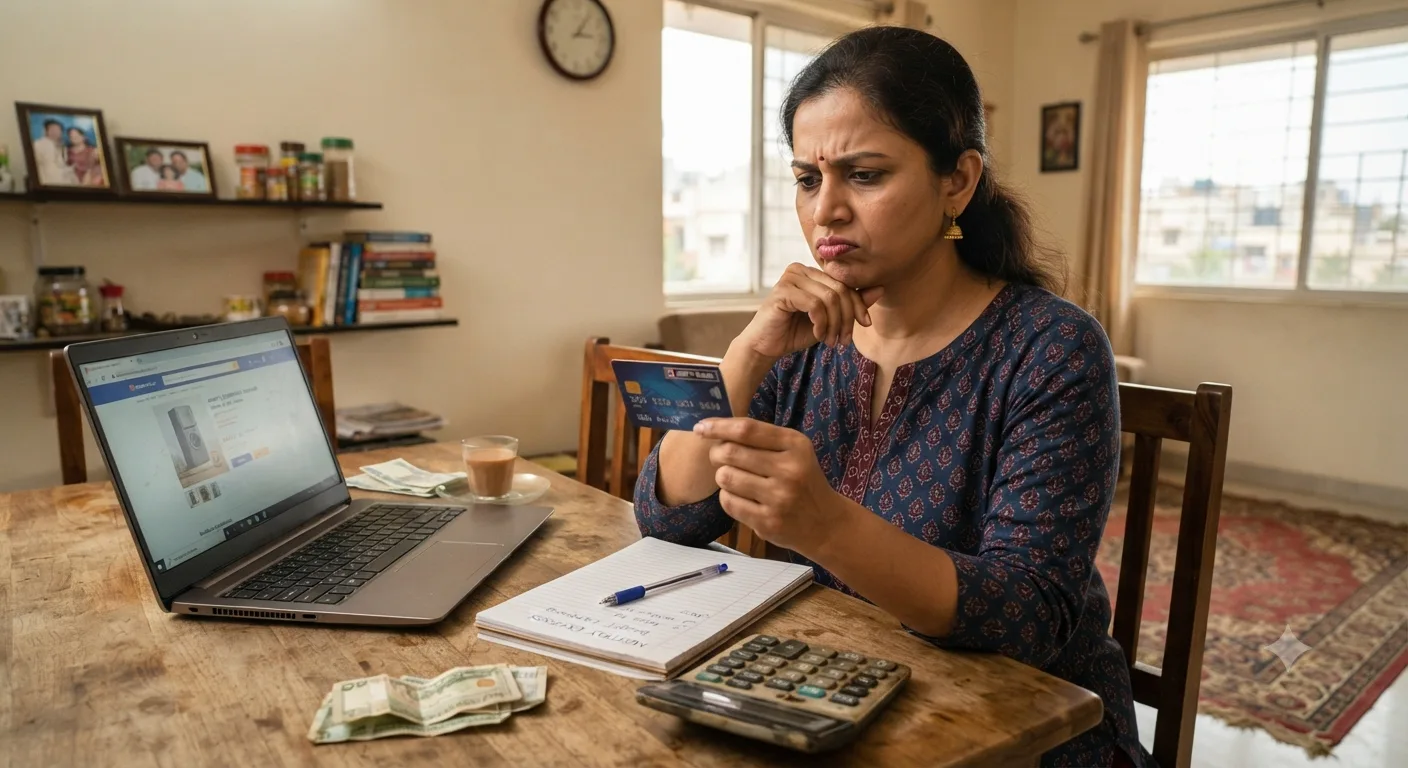
The credit card is unusual among financial products because it has a split personality. For disciplined users, it is genuinely free: an interest-free loan for up to 55 days (the gap between the purchase and the payment due date), with cashback or reward points on top. For flexible users, the ones who pay sometimes, or pay the minimum, or skip a month, it becomes one of the most expensive products in Indian retail finance.
The interest rate on an unpaid credit card balance in India is 3% to 3.5% per month, equivalent to 36% to 42% annually. This is not incidental. It is the business model. The card issuer earns nothing from cardholders who pay in full. It earns significantly from those who do not.
Understanding this split personality is the foundation of wise credit card use. The habits below are the specific practices that keep a cardholder firmly on the right side of this divide.
Habit 1: Choose a Card That Matches Your Spending Pattern
The first decision in wise credit card use happens before the card arrives in the wallet: choosing the right card for the actual spending pattern.
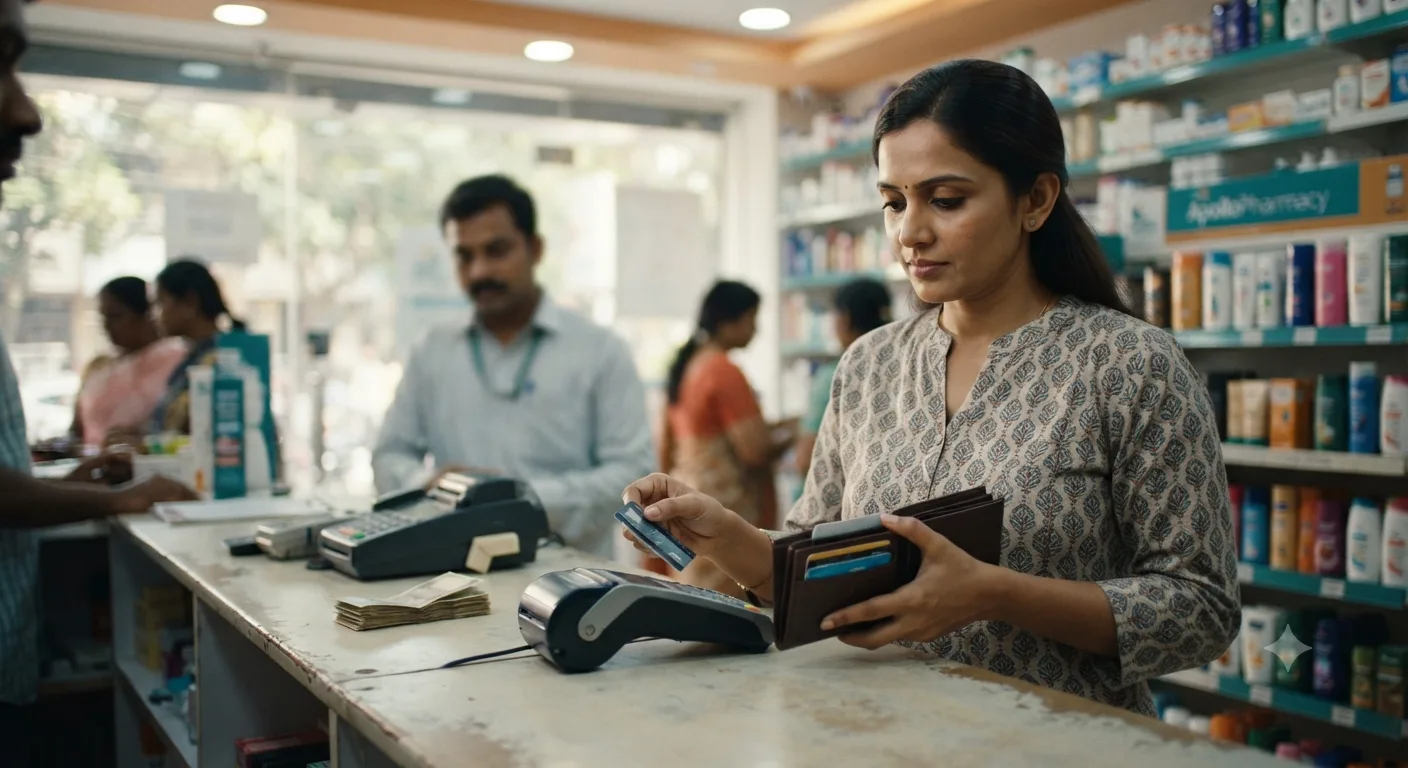
A travel card offers the best rewards on flight and hotel spending. A fuel card waives the surcharge and offers cashback on petrol. A dining card provides discounts at restaurants. A general cashback card rewards all categories uniformly. A lifestyle card bundles streaming subscriptions, movie tickets, and gym memberships.
The mistake is choosing a card for the rewards advertised rather than the rewards that match actual spending. A travel credit card is optimal for someone who books two to four flights per year. For someone who rarely travels but eats out frequently, the travel card's travel rewards go largely unclaimed while the dining card would have provided consistent value on every meal.
Before applying for any credit card, list the top three spending categories from the last three months. Choose the card whose rewards programme pays best on those categories. This simple step produces meaningfully better rewards value without changing spending behaviour at all.

FREED Expert Tip
Choose one primary credit card and use it for most spending, rather than multiple cards for different categories. Multiple cards create administrative complexity (multiple due dates, multiple statements, multiple utilisation calculations), increase the risk of missing a payment, and make it harder to track total spending. One well-chosen card managed well outperforms three cards managed imperfectly.
Talk to FREEDHabit 2: Know Your Billing Cycle and Due Date
Every credit card has a billing cycle (the period during which transactions are recorded on a statement) and a due date (the date by which the full balance must be paid to avoid interest).
Knowing both dates precisely is not optional. It determines:
When purchases made late in the billing cycle benefit from the full interest-free period (purchases made just after the statement date get the full 45 to 55 days before the bill arrives, while purchases made just before the statement date get only a few days of interest-free time on the next bill).
When to make the payment to avoid late fees (the payment must clear the issuer's system before midnight on the due date, not merely be initiated).
Set a phone calendar reminder seven days before the due date. Use this reminder as a verification check: confirm the account balance can cover the full outstanding, and set up the payment if it has not been automated.
Habit 3: Pay the Full Outstanding Every Month
This is the single most important habit of wise credit card use. Everything else is secondary to this one practice.
Pay the full outstanding balance, not the minimum due, not the statement balance if different from full outstanding, but the complete amount owed as of payment day, before the due date, every single month.
The minimum due keeps the account from defaulting. That is all. At 3.5% monthly interest on a Rs. 40,000 balance, the interest added each month is Rs. 1,400. The minimum due is approximately Rs. 2,000. Of that, only Rs. 600 reduces the principal. The balance persists for years while the interest accumulates.
Automating the full outstanding balance payment through auto-pay is the cleanest implementation of this habit. Set up the auto-pay for the full statement balance amount, not the minimum. This requires that the bank account always has sufficient funds when the auto-pay triggers, which creates a useful discipline around maintaining adequate account balance.

Legal Note
Under RBI guidelines on credit cards, issuers must clearly show the total outstanding balance, the minimum amount due, the interest rate being charged, and the consequences of paying only the minimum on every billing statement. If this information is not shown clearly, raise a complaint with the bank's Nodal Officer. You are entitled to full transparency on what you owe and what it costs.
Know your rights as a credit card holder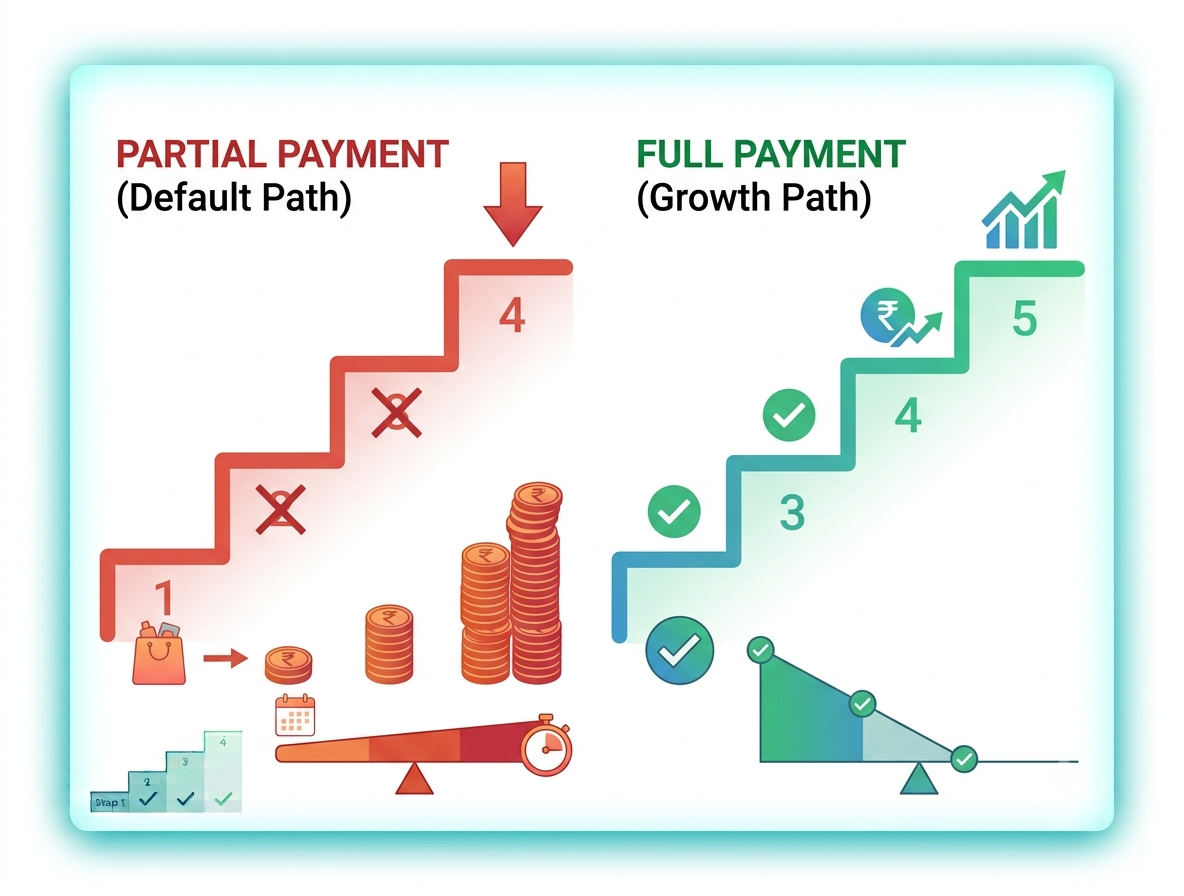
Habit 4: Keep Utilisation Below 30%
Credit utilisation is the percentage of total available credit limit currently in use. It is the second most heavily weighted factor in the CIBIL score.
If the credit card limit is Rs. 1,00,000 and the balance at billing time is Rs. 55,000, the utilisation is 55%. This significantly suppresses the score regardless of payment history.
Three practices keep utilisation healthy:
Pay the balance before the billing statement date, not just before the due date. The balance recorded on the statement is what gets reported to the bureau. A payment made two weeks before the statement date reduces the recorded utilisation for that month.
Request a credit limit increase from the issuer periodically. If spending stays the same but the limit increases, utilisation decreases mechanically. Most banks offer limit increases to cardholders with clean payment history after 12 to 18 months.
Use the card for categories where rewards add value, not for all spending. A Rs. 30,000 monthly grocery budget run entirely on a card with a Rs. 50,000 limit keeps utilisation at 60%. Splitting some spending to UPI while using the card selectively for reward-heavy categories keeps utilisation lower without giving up the rewards.
Habit 5: Read Every Monthly Statement
The monthly credit card statement contains more information than just the amount owed. It shows every transaction, the interest rate being charged, the minimum due, the due date, and any fees applied.
Reading the statement takes five to ten minutes and produces meaningful protection from two specific problems.
Unauthorised transactions: credit card statements in India contain unauthorised charges more often than most cardholders realise. A small transaction from an unfamiliar merchant, a subscription that renewed without notice, a duplicate charge from a delivery error. These are only catchable by someone who reads the statement. Disputes must be raised within a defined timeframe, typically 30 to 45 days from the statement date. After that, the window closes.
Unexpected fees: annual fees, late payment fees charged in error, over-limit fees, and foreign transaction fees all appear on the statement. Knowing they are there allows them to be disputed promptly if they are incorrect.
The habit: read the statement on the day it arrives (check the email or app notification). Reconcile every transaction. Raise any dispute within 48 hours of noticing it.
Habit 6: Treat the Credit Limit as a Ceiling, Not a Target
The approved credit limit is the maximum the issuer will extend, not a spending suggestion.
A credit limit of Rs. 2,00,000 is not an endorsement to spend Rs. 2,00,000. It is a safety ceiling that reflects the bank's assessment of risk. Spending close to the limit consistently raises utilisation, suppresses the CIBIL score, signals financial stress to all lenders who review the report, and makes the full bill nearly impossible to pay, starting the minimum payment cycle.
Wise credit card users treat the credit limit as a safety margin, not a budget. The operational target for spending is whatever keeps utilisation below 30%, which is roughly Rs. 60,000 on a Rs. 2,00,000 limit. This is the number that should inform monthly card spending, not the full limit.
Habit 7: Maximise Rewards Without Chasing Them
Rewards, cashback, and points are genuine benefits of credit card use, but they are only valuable when the card behaviour that earns them does not create a cost elsewhere.
Earning Rs. 800 in cashback while carrying a Rs. 40,000 balance at 3.5% monthly interest produces a net cost of Rs. 600 in that month (interest of Rs. 1,400 minus cashback of Rs. 800). The rewards appear in the account while the interest quietly charges more.
Rewards are valuable only to cardholders who pay in full every month. For anyone else, they are a marketing subsidy for expensive revolving credit.
Within that constraint, maximising rewards is simple: concentrate as much of the planned spending as possible on the card that pays the best rewards on those categories. Pay the full bill monthly. Redeem points before they expire.
The habit to avoid: spending more than planned specifically to earn rewards. Rs. 3,000 in extra spending to earn Rs. 150 in cashback is a Rs. 2,850 net cost.
Habit 8: Protect Your Card Details Actively
Credit card fraud in India is more common than most cardholders realise, and the most common source of fraudulent transactions is digitally shared card details.
The card number, expiry date, and CVV are all that is needed for most online transactions. These details shared via WhatsApp, email, or text create a permanent, shareable record of the full card credentials.
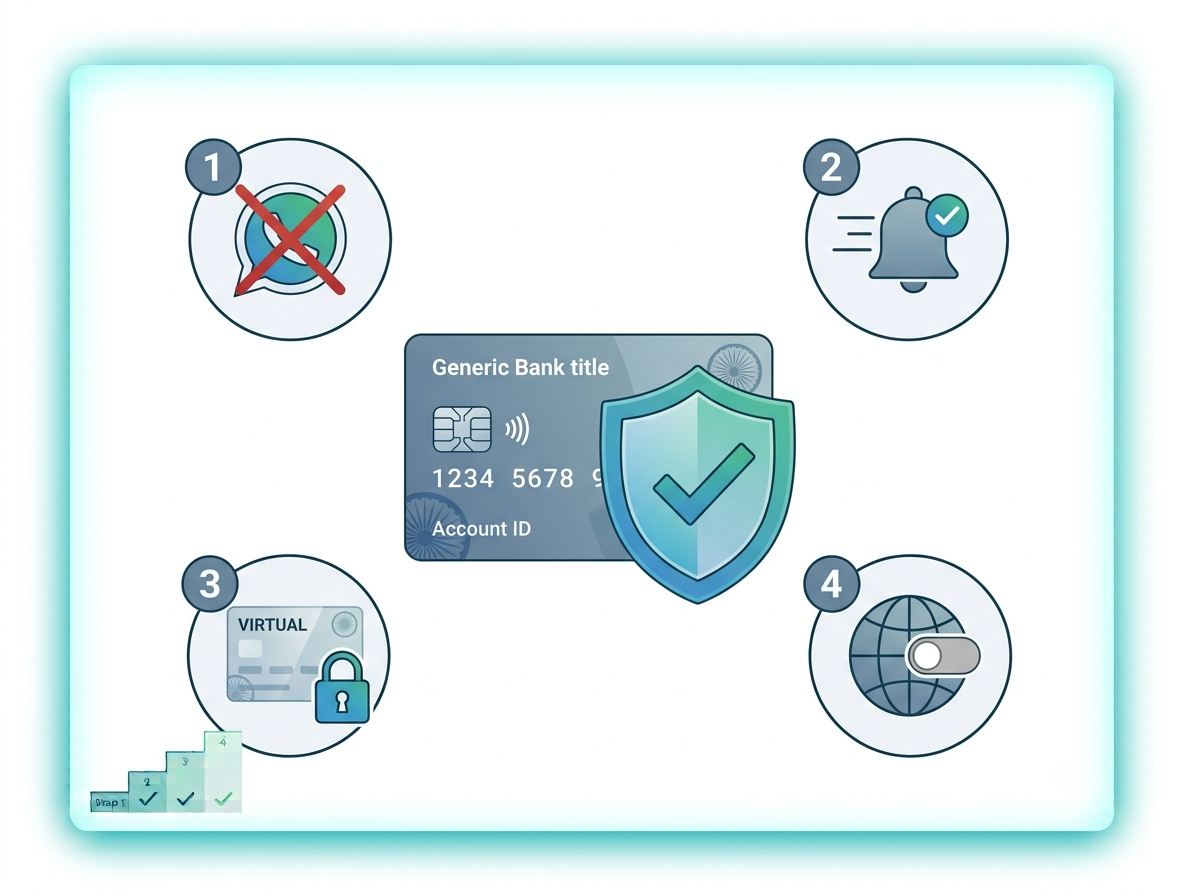
Four specific practices protect against this:
Never share full card details digitally. Share verbally if necessary, and only with people who have a legitimate need.
Enable transaction alerts for every transaction on the card. Most Indian banks send SMS alerts for every card transaction. These allow fraudulent transactions to be spotted within seconds of occurrence.
Use virtual card numbers for online transactions where the merchant is unfamiliar. Most major Indian bank apps now offer virtual card numbers that can be used for a single transaction or a single merchant.
Disable international transactions when not travelling internationally. Most bank apps allow this with a single toggle. International transactions are the most common vector for card misuse.
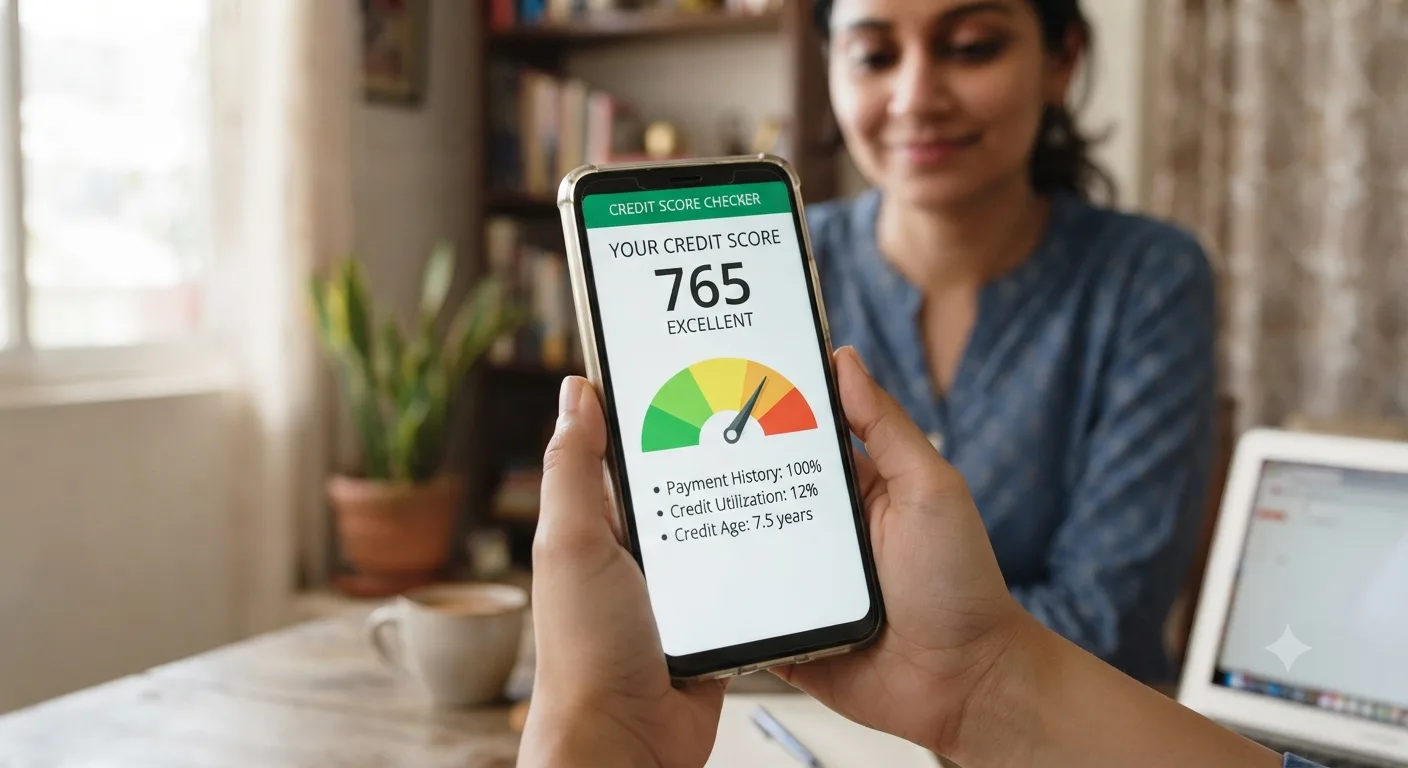
Habit 9: Monitor Your CIBIL Score Regularly
The credit card is one of the most powerful tools for building a CIBIL score, when used wisely, and one of the most effective ways to damage it, when used poorly.
Checking the score quarterly during active card use tells you whether the card habits are working as intended. A rising score confirms that utilisation is healthy and payments are being recorded correctly. A falling score despite good payment habits signals a specific problem, high utilisation, an error on the report, or a hard enquiry from a recent application, that can be identified and addressed.
Habit 10: Know When the Card Is Costing You Money
This is the meta-habit that governs all the others: staying aware of whether the card is working for you or against you in the current month.
Three signals that the card is currently costing money rather than providing value:
The balance at month-end is higher than the balance at the start of the month, without a specific large planned purchase to account for the difference. This means spending is consistently outrunning repayment.
The full statement balance cannot be paid when the bill arrives. This is the moment the card transitions from a free tool to an expensive one.
The minimum due feels like relief rather than an insufficient amount. A cardholder who feels good about paying the minimum has already lost the benefit of the card and is paying for the privilege of carrying debt.
When any of these signals appears, the response is immediate: stop all new card spending. Assess the full outstanding. Calculate how long full repayment will take. Make a specific plan.
If the outstanding has grown to a level where this assessment reveals the full balance cannot be cleared within a realistic timeline, professional help is the appropriate next step.
Are You in a Loan Trap? Quick Check
Move the slider to your total EMIs as a % of monthly salary. See your debt stress level instantly.
EMIs as % of Monthly Salary

Mohit Juneja
Mohit Juneja writes educational content at FREED on debt management, credit scores, loan repayment, and borrowing best practices. His content is shaped by expert insights and industry knowledge, helping readers better understand their financial options and make informed decisions.
mohit.juneja@freed.care

FREED is India's trusted loan management platform. Founded in 2020 and headquartered in Gurugram, FREED has counselled 20 lakh+ people on personal loans, credit cards, and app loans. FREED charges fees only on successful settlement, not upfront. FREED does not handle secured loans (home loans, car loans, gold loans).
Media Mentions